
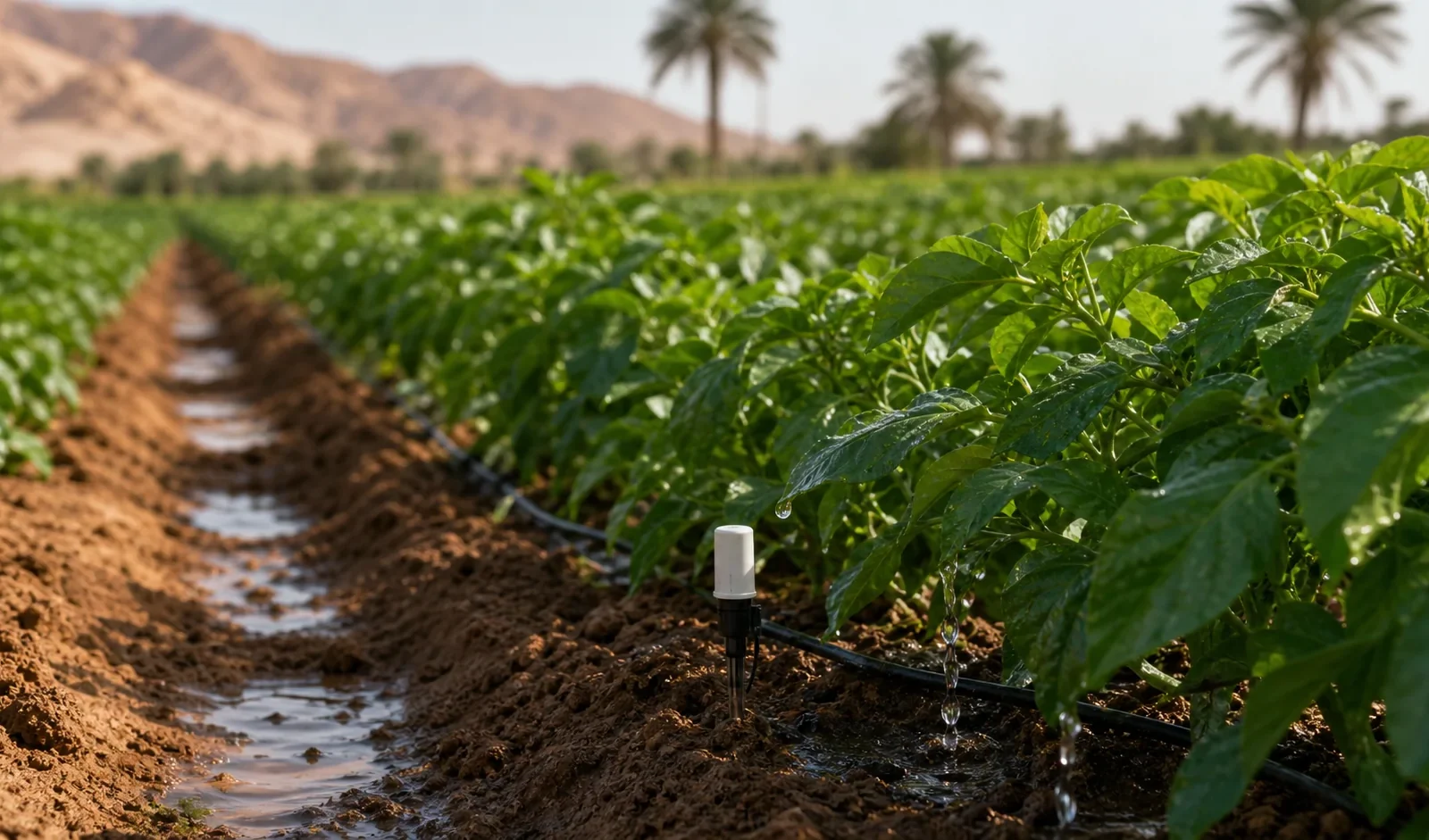
Smart irrigation is more than adding sensors. It depends on suitable hydraulic design, reliable equipment, relevant observations, clear decision rules, maintenance, and people who can act on the information.
Define the irrigation objective
Clarify the crop, field conditions, water source, distribution challenge, and desired level of control.
Build on sound infrastructure
Automation cannot compensate for unsuitable design, poor distribution, or unmaintained equipment.
Collect relevant information
Select observations that support real irrigation decisions rather than collecting data without a clear use.
Create operating routines
Assign responsibility for review, response, maintenance, and continued calibration.
Key considerations
- Hydraulic foundation: Use as a pull-out editorial takeaway; substantiate any specific claim added during final writing.
- Relevant sensing: Use as a pull-out editorial takeaway; substantiate any specific claim added during final writing.
- Clear decision rules: Use as a pull-out editorial takeaway; substantiate any specific claim added during final writing.
- Maintenance and calibration: Use as a pull-out editorial takeaway; substantiate any specific claim added during final writing.